


Health
The Sound of Disease
A 10-second cough app is helping detect India's most dangerous respiratory illnesses.
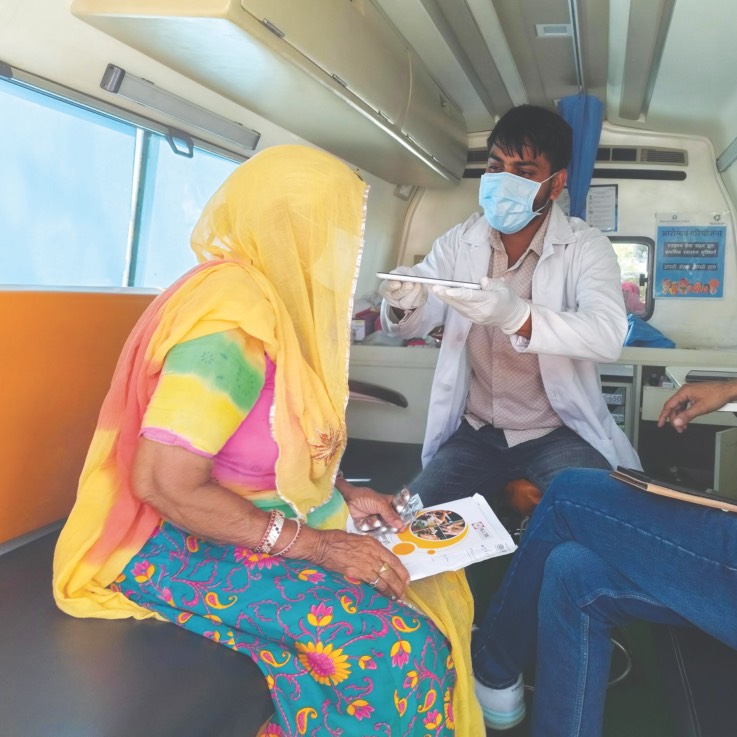
A 10-second cough app is helping detect India's most dangerous respiratory illnesses.
I have seen with my own eyes what happens to a community when love becomes policy's guiding star.

The predominant model for educating nurses prepares them for hospital settings. By adopting a competency-based education model rooted in community care, nursing programs can better equip their students to address the diverse health-care needs and environments of the 21st century.

“Explainable AI” can bridge the gap between AI outputs and human expertise, but a balance needs to be struck between explainability and performance.

A new framework for understanding the opportunity for health care innovators to dig deeper.

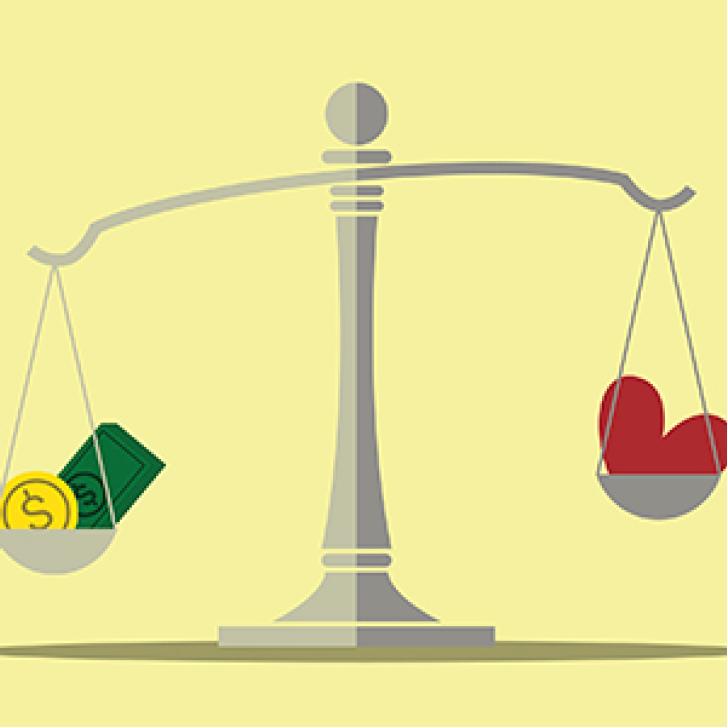
Instead of simply pegging success to traditional economic measures, like GDP, New Zealand wants policymaking to be driven by what will make the biggest difference to the well-being of people, their communities, and the environment. A What's Next article from the Winter 2020 issue.
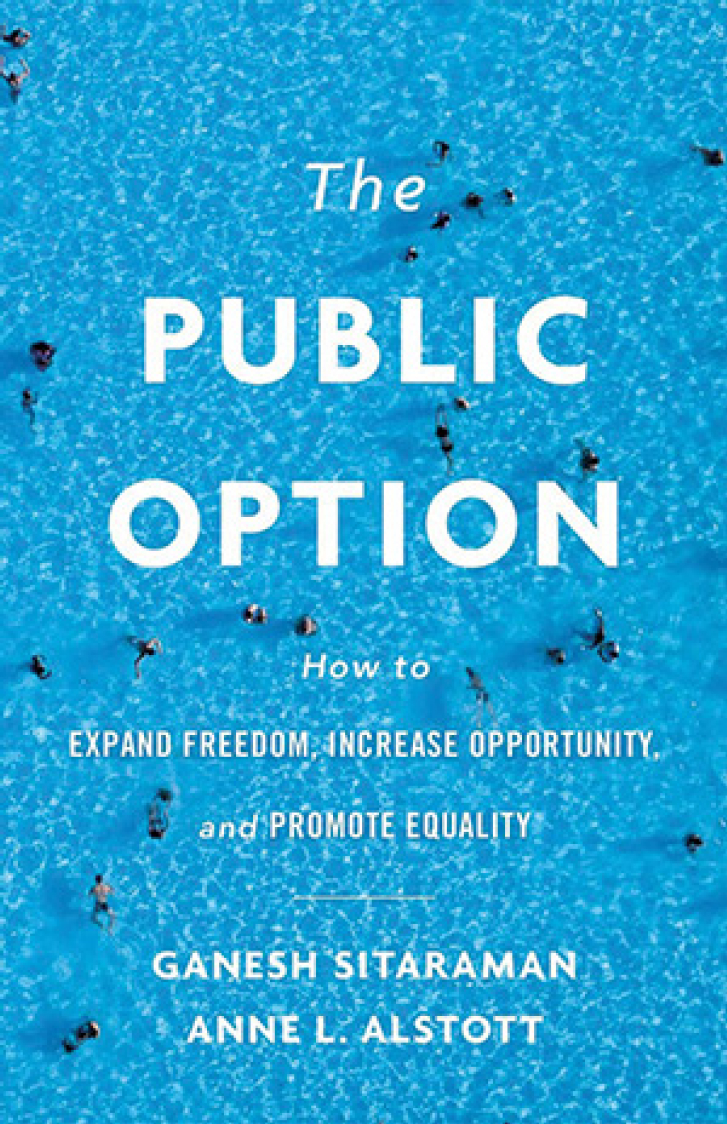
In their new book, Ganesh Sitaraman and Anne Alstott treat libraries as just one model of a public institution that can thrive alongside market-based options like bookstores and provide desirable benefits to society more broadly and equitably than the private sector can do alone. A book review from the Winter 2020 issue.
As human-centered design in global public health enters its adolescence, we offer a guide to help practitioners break through their misperceptions of people's needs to prescribe real solutions.

In order to change the odds for marginalized children, social organizations must root their racial equity work in a commitment to learn from and be led by those who have experienced inequity themselves. This is the eighth of 10 articles in a special series about diversity, equity, and inclusion.